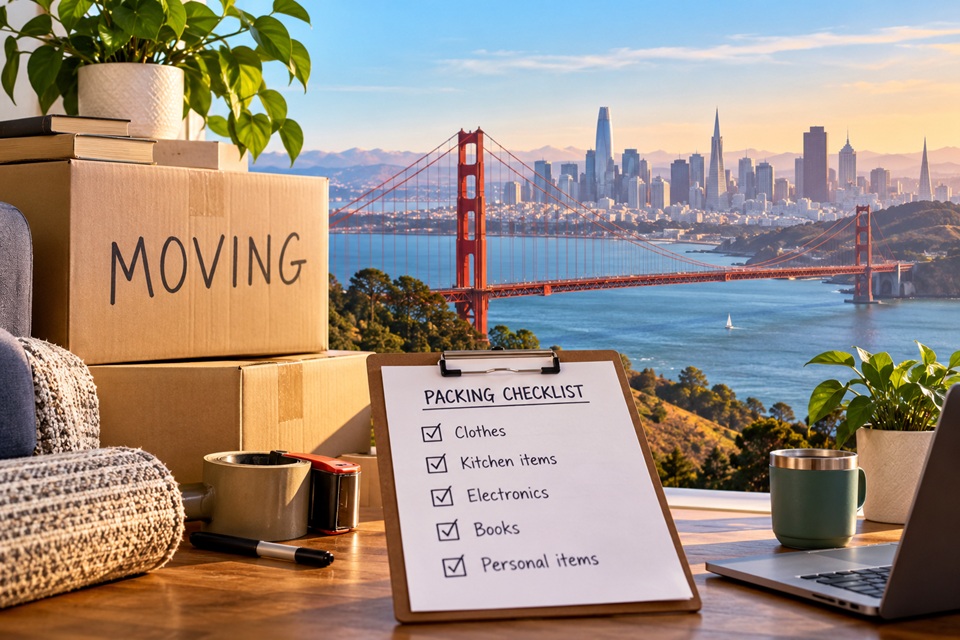
Why Moving to the Bay Area Requires More Than a Packing Checklist
What was the first manufactured item to be sold on hire purchase? This question might seem simple, but the answer reveals a captivating story that transformed how we shop and changed consumer behavior forever. The surprising answer is sewing machines – and this innovation from the 19th century laid the groundwork for everything from car loans to smartphone payment plans we use today.
The Birth of Buy Now, Pay Later: Sewing Machines Lead the Way
In 1850, Isaac Singer revolutionized not just sewing, but retail itself, when his company began offering the first formal hire purchase agreements for Singer sewing machines. This pioneering approach allowed customers to take home a sewing machine immediately while paying for it in installments over time.
Why Sewing Machines? The Perfect Storm of Necessity and Innovation
The choice of sewing machines as the first hire purchase item wasn't random. Several factors made them ideal for this revolutionary payment model:
- High Value: Sewing machines were expensive luxury items that most families couldn't afford upfront
- Essential Need: They provided genuine value by enabling families to make and repair clothing
- Durability: These machines were built to last, making them suitable collateral
- Wide Appeal: Both urban and rural customers needed them, creating mass market potential
The Mechanics of Early Hire Purchase
Singer's original hire purchase system worked differently from modern installment plans:
- Customers paid a deposit and took immediate possession
- Monthly payments were collected by door-to-door salesmen
- The company retained ownership until full payment was complete
- Default meant the company could repossess the machine
How This Changed Everything: The Ripple Effect Through History
The Industrial Revolution's Financing Solution
The success of hire purchase for sewing machines coincided perfectly with the Industrial Revolution. As mass production made more goods affordable to produce, hire purchase made them affordable to buy. This created a powerful economic cycle that fueled further industrial growth.
Key Statistics That Show the Impact
- By 1876, Singer was selling over 100,000 machines annually using hire purchase
- The company's installment payment system increased their market penetration from 2% to over 90% in some regions
- Other manufacturers quickly adopted the model for pianos, organs, and furniture
Notable Facts About Early Hire Purchase
- The term "hire purchase" came from the legal distinction between hiring (renting) and purchasing
- Early contracts often included life insurance policies to protect both buyer and seller
- Some agreements required guarantors and detailed credit checks
- The system was initially met with suspicion and was considered "un-American" by some critics
The Evolution from Sewing Machines to Modern Consumer Credit
Expanding Beyond the Workshop
Following sewing machines' success, hire purchase expanded rapidly:
- Musical Instruments (1860s): Pianos and organs became popular installment purchases
- Furniture (1870s-1880s): Complete household furnishings were sold on credit
- Bicycles (1890s): The bicycle boom was fueled by installment plans
- Automobiles (1900s): Cars might never have become mainstream without hire purchase
The Legal Framework Developments
The success of hire purchase created the need for standardized legal protections:
- The Hire Purchase Act of 1938 in Britain formalized consumer protections
- Truth-in-lending laws emerged to ensure transparent terms
- Modern consumer credit laws trace their origins to these early agreements
Modern-Day Hire Purchase: From Singer to Smartphones
Today's "buy now, pay later" services like Klarna, Affirm, and Apple's installment plans are direct descendants of Singer's 1850 innovation. The fundamental concept remains unchanged: provide immediate access to valuable goods in exchange for future payments.
Digital Age Equivalents
- Smartphones: Often sold through 24-month payment plans
- Furniture: Companies like Wayfair and IKEA offer widespread financing
- Electronics: Most major retailers provide installment options
- Education: Student loans represent sophisticated hire purchase agreements
The Global Impact of This Innovation
Singer's hire purchase model wasn't just an American phenomenon. It spread globally, with adaptations that suited local markets:
- Europe: Hire purchase became regulated banking services
- Developing Nations: Microfinance institutions use similar principles
- Asia: Consumer credit markets have grown exponentially using these models
Lessons from History: What Modern Consumers Should Know
The original hire purchase agreements for sewing machines teach us several valuable lessons:
- Access Over Ownership: Sometimes having something is more valuable than owning it immediately
- Risk Management: Early contracts included detailed provisions for default and repossession
- Market Expansion: Payment flexibility can dramatically expand market reach
- Regulatory Need: Consumer protection laws evolved alongside financing innovations
Conclusion: A Single Innovation That Sewed Together Modern Commerce
What started as a practical solution for selling expensive sewing machines became the foundation of modern consumer finance. Isaac Singer's hire purchase innovation demonstrated that when people are given flexible payment options, demand for valuable goods increases dramatically.
Today, as new "buy now, pay later" services emerge and evolve, we're simply witnessing the latest chapter in a story that began with a sewing machine and a revolutionary idea: that trust, structured properly, could transform commerce forever.
The next time you see a hire purchase offer or installment payment option, remember that you're participating in a retail revolution that started over 170 years ago with a simple needle and thread machine that changed everything about how we buy what we want.
For more fascinating insights into consumer history and financial innovations, explore how other everyday items changed the world through commerce.