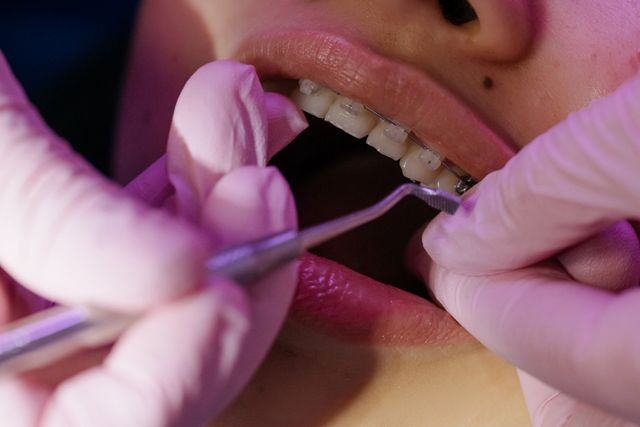
More adults are choosing to straighten their teeth than ever before. Whether driven by personal confidence, professional goals, or simply a long-held desire for a better smile, adult orthodontics has become a mainstream decision. However, getting braces as an adult comes with unique challenges and responsibilities that differ significantly from teen orthodontics. The good news is that with proper care and commitment, adults can achieve excellent results while maintaining their daily routines and oral health.
Understanding Adult Braces
Adult braces function using the same fundamental principles as those worn by younger patients, but the treatment timeline and considerations often differ. The bone structure of an adult has fully developed, which means teeth move more slowly than they do in growing jaws. This slower movement translates into longer treatment times, sometimes ranging from two to three years depending on the complexity of the case. Adults typically have more established lifestyle patterns, work schedules, and social commitments, all of which require careful consideration when beginning orthodontic treatment.
There are several types of braces available for adults today, providing options beyond the traditional metal brackets. Ceramic braces blend in with tooth color and are less visible than metal alternatives. Clear aligners offer nearly invisible treatment and can be removed for eating and special occasions, though they require strict compliance to be effective. Lingual braces, placed behind the teeth, are completely hidden but can be more challenging to clean. Your orthodontist will recommend the best option based on your specific needs, lifestyle, and treatment goals.
Daily Cleaning Practices
Maintaining excellent oral hygiene becomes even more critical when wearing braces as an adult. Food particles and bacteria accumulate more easily around brackets and wires, increasing the risk of plaque buildup and tooth decay. You should brush your teeth at least twice daily, preferably after each meal, using a soft-bristled toothbrush and fluoride toothpaste. Brush gently in circular motions around each bracket and along the gum line to remove debris effectively. During this daily brushing routine, using the best toothpaste for braces helps protect enamel around brackets and supports remineralization in the hard-to-reach areas that accumulate the most plaque.
Flossing with braces requires extra patience and technique but is non-negotiable for protecting your teeth and gums. Traditional floss can be threaded under the wires using a floss threader, which makes the process easier. Alternatively, you can use water flossers or special orthodontic floss designed to navigate around brackets more efficiently. Spend at least five minutes flossing each evening to ensure you reach the tight spaces between teeth and around the brackets where a toothbrush cannot reach.
Managing Dietary Restrictions
Certain foods can damage your braces, bend wires, or break brackets, so dietary adjustments are necessary throughout your treatment. Avoid hard, sticky, and crunchy foods such as nuts, popcorn, caramel, chewing gum, and raw vegetables that require extensive chewing. Cut softer foods into small pieces rather than biting directly into them. For example, slice apples into thin pieces instead of biting into a whole apple, and cut corn off the cob rather than eating it directly from the cob.
The good news is that you do not need to eliminate entire food groups from your diet. Pasta, bread, soft cheese, cooked vegetables, smoothies, and eggs remain perfectly acceptable options. Many adults find that planning meals around their brace-friendly diet becomes easier over time. Eating softer foods also means less discomfort during the days following adjustments, when teeth feel more sensitive.
Handling Discomfort and Adjustment Periods
Mild discomfort is completely normal after your braces are placed and after every adjustment appointment. This soreness typically peaks within a few days and subsides within a week or two. Over-the-counter pain relief medications such as ibuprofen or acetaminophen can help manage any ache you experience. Rinsing your mouth with warm salt water several times daily also provides comfort and promotes healing of irritated gum tissue.
Wax applied to brackets and wires can prevent irritation inside your mouth and reduce soreness from sharp edges rubbing against your cheeks and lips. Your orthodontist will provide wax and show you how to apply it properly. If a wire breaks or a bracket becomes loose, contact your orthodontist immediately rather than waiting for your next scheduled appointment. Attempting to fix braces yourself can cause more damage and complicate your treatment plan.
Protecting Your Investment
Regular orthodontic appointments are essential for monitoring progress and making necessary adjustments to your treatment. Most adults visit their orthodontist every four to eight weeks, depending on their specific treatment plan. These appointments ensure your braces are working effectively and allow your orthodontist to address any concerns before they become major problems. Missing appointments can significantly extend your overall treatment time and compromise the final results.
Protecting your teeth from injury becomes increasingly important when wearing braces. If you participate in contact sports, wear a properly fitted mouthguard designed to accommodate your braces. Avoid habits such as chewing on pencils, biting your nails, or using your teeth as tools, as these behaviors can damage your braces and slow your progress. Your commitment to following your orthodontist's instructions and maintaining proper care directly impacts how quickly you achieve your desired smile.
Conclusion
Adult braces require dedication and lifestyle adjustments, but the investment in your smile pays dividends for decades to come. By maintaining excellent oral hygiene, following dietary guidelines, managing discomfort during adjustment periods, and attending regular appointments, you ensure the best possible outcome from your orthodontic treatment. Many adults find that the temporary inconveniences of braces are far outweighed by the confidence and satisfaction of achieving a straighter, healthier smile. Your orthodontist is your partner in this process, providing guidance and support throughout your treatment. With patience and proper care, you can successfully complete your adult orthodontic experience and enjoy the lasting benefits of a beautiful, aligned smile.
Image from Pexels