
Learn IT concepts from the industry's top professionals with a TikTok Downloader
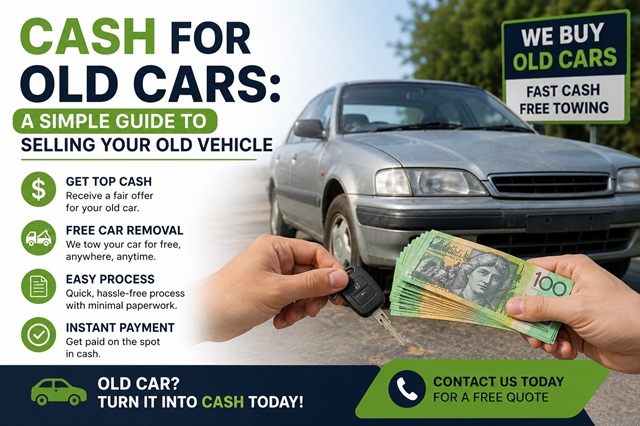
Selling an old car can become difficult when the vehicle has high kilometres, mechanical problems, accident damage, or simply sits unused. Advertising it privately can take time, while repairing an ageing vehicle before selling it may not always make financial sense.
For Australian car owners looking for a simpler option, selling directly to a professional car buyer can be worth considering. Services offering cash for old cars provide an alternative to traditional private sales, allowing owners to request a valuation and potentially sell their vehicle without spending weeks looking for a buyer.
Why Sell an Old Car?
There are many reasons an owner may decide to sell an older vehicle. The car may have become too expensive to maintain, or it may no longer be reliable enough for everyday use. Sometimes, it may simply be an unwanted second vehicle taking up space.
Common reasons for selling include:
- High mileage
- Expensive repairs
- Accident or body damage
- An expired registration
- A vehicle that no longer runs
- Upgrading to a newer vehicle
- An unused car taking up space
Keeping an old vehicle can also involve ongoing costs such as maintenance, registration, insurance and storage. If you are rarely using the car, selling it may be more practical than continuing to pay for it.
Can You Sell a Damaged or Non-Running Car?
A car does not necessarily have to be in perfect condition to have value. Some professional buyers purchase vehicles with mechanical problems, cosmetic damage, high mileage or other issues.
Auto-Sell.ai, for example, says it buys old cars in various conditions, including damaged and non-running vehicles.
This can be useful for owners who do not want to spend thousands of dollars repairing an old vehicle before trying to sell it. Instead, they can request a valuation based on the vehicle's existing condition.
How Does Selling an Old Car for Cash Work?
The process is generally straightforward, although the exact steps depend on the buyer.
1. Provide Your Vehicle Details
Start by providing information about the car, including its make, model, year, kilometres, registration status and overall condition.
It is important to provide accurate information. Mentioning existing damage or mechanical problems allows the buyer to assess the vehicle more realistically.
2. Receive a Valuation
The buyer reviews the information and determines what the vehicle may be worth. Factors such as market demand, vehicle condition, age and mileage can influence the valuation.
Auto-Sell.ai states that its valuation process uses Australian market data to help determine vehicle values.
3. Review and Accept the Offer
Once you receive an offer, compare it with your other selling options. A private sale may sometimes produce a higher price, but it can also require considerably more time and effort.
If the offer suits you, you can proceed with the sale.
4. Arrange Vehicle Collection
Collection can be especially helpful when an old car is damaged or no longer starts. Instead of arranging transportation yourself, some professional buyers organise pickup.
Auto-Sell.ai advertises Australia-wide pickup, providing sellers with a convenient way to arrange collection.
5. Complete the Sale
After agreeing to the sale, the necessary paperwork and vehicle transfer requirements can be completed. Payment is then made according to the agreed terms.
Always make sure you understand the payment process and any paperwork required in your state or territory before handing over the vehicle.
What Determines an Old Car's Value?
The age of a car is only one factor when determining its value. Two vehicles of the same age can have very different valuations.
Important factors include:
Make and model: Popular and reliable models may retain more value in the used-car market.
Mileage: Kilometres can influence a vehicle's value, although mileage should always be considered alongside its overall condition.
Condition: Mechanical condition, bodywork, interior condition and tyres can all affect the price.
Damage: Accident or mechanical damage can reduce value, but damaged vehicles may still have value depending on their parts and condition.
Registration: Whether the vehicle is currently registered can also influence its appeal to buyers.
Market demand: Current demand for a particular vehicle can affect what buyers are willing to pay.
Because of these factors, getting a professional valuation can be useful before assuming that an old vehicle is only worth its scrap value.
Should You Repair an Old Car Before Selling?
It depends on the repair and the expected increase in value.
Cleaning the vehicle and removing personal belongings may make sense, but expensive mechanical or body repairs may not. If an old car needs major engine, transmission or suspension work, spending a large amount of money on repairs could reduce the financial benefit of selling it.
Instead, consider getting a valuation in its current condition first. You can then compare the offer with the expected cost of repairs and decide which option makes the most sense.
Private Sale vs Direct Sale
A private sale gives you access to individual buyers and may potentially result in a higher price. However, it usually involves creating advertisements, answering enquiries, arranging inspections, negotiating and dealing with payment and paperwork.
A direct sale can be more convenient, especially if you want to sell quickly or your vehicle is difficult to advertise because of its condition.
The right choice depends on your priorities. If maximum price is your main concern, you may prefer to explore several selling options. If convenience and speed matter more, a direct vehicle buyer may be a better fit.
What to Do Before Selling Your Old Car
Before completing the sale, take a few simple steps:
- Remove personal belongings from the vehicle.
- Gather service records and relevant documents.
- Locate spare keys if available.
- Check whether there is outstanding finance.
- Provide accurate information about the vehicle's condition.
- Confirm the payment and collection arrangements.
- Check your state's requirements for transferring or disposing of the vehicle.
Following these steps can help prevent unnecessary delays and make the transaction smoother.
Final Thoughts
Selling an old car does not have to involve weeks of advertising, negotiations and private inspections. Whether your vehicle has high mileage, damage, mechanical problems or simply is no longer needed, getting a professional valuation can help you understand your options.
If you are considering cash for old cars, requesting a valuation from a direct vehicle buyer can be a convenient starting point. Compare the offer with other options, understand the selling requirements and choose the approach that gives you the right balance of value, convenience and speed.